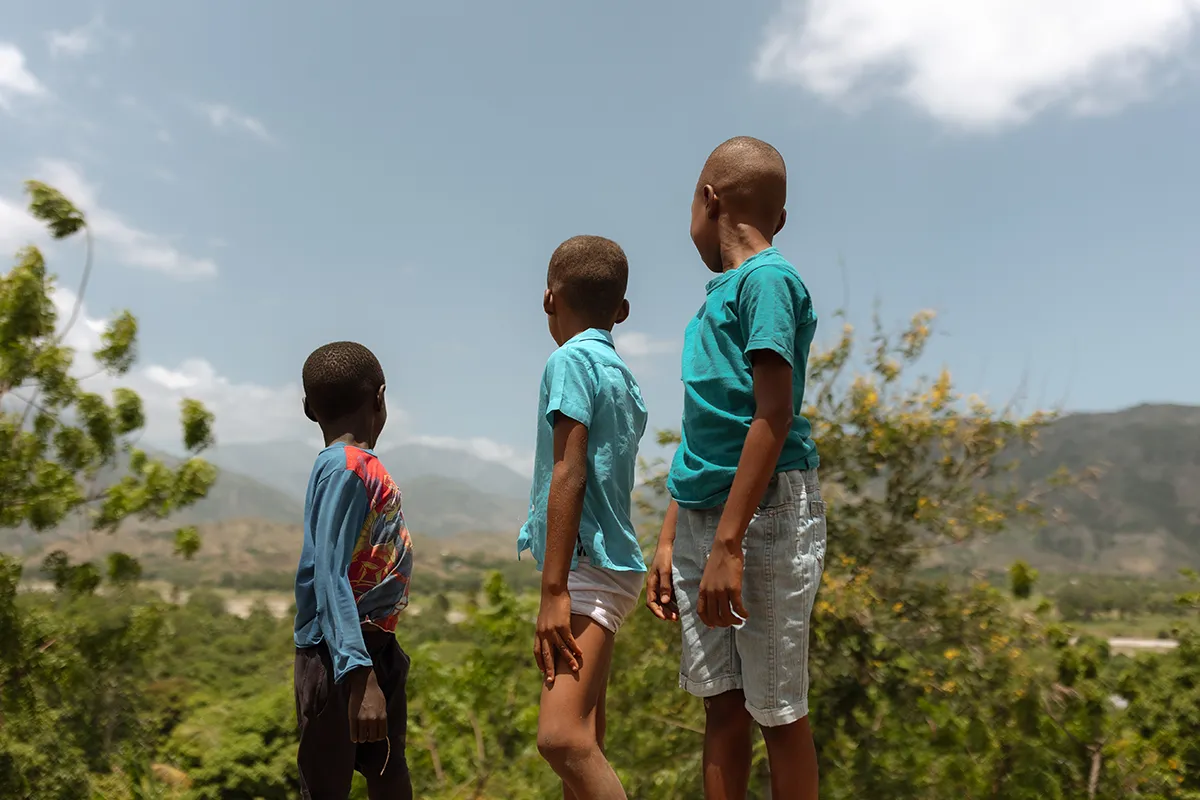
Tomorrow morning in Haiti, over 300,000 children will wake up to cook food they will never eat and wash clothes they will never wear. They will fetch food from the market and water from the well, for families that are not theirs, that will probably never treat the children as their own. These are the children living in restavek.
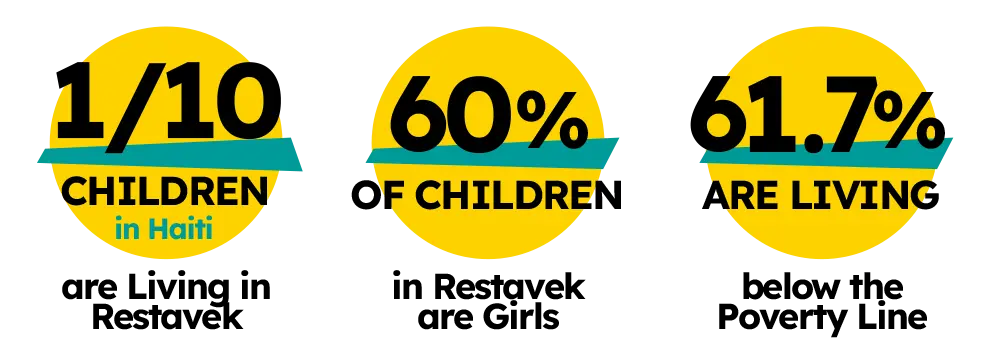
The term “restavek” derives from the French phrase rester avec, meaning “to stay with.” In Haiti, the restavek system is a deeply ingrained practice where roughly 1 in 10 children are living in a culturally accepted form of modern-day slavery. Families, often from rural, low-income communities, send their children to live with a host family when they don’t have the resources to provide for and feed them, in hopes of giving them access to an education and a better quality of life. However, this is rarely the reality. These children, some as young as four, are subjected to severe exploitation and treated as child slaves.

Haitian children living in restavek face relentless labor, often working from dawn to dusk without rest. Their daily tasks include cleaning, cooking, fetching water, and caring for the host family’s children. These child victims are often physically and emotionally abused, denied their basic rights, and suffer from malnutrition. The constant abuse—physical, emotional, and sexual—leaves deep scars, stunting their development and leading to long-term psychological trauma.
A majority of Haitians live below the poverty line, with an estimated 59% of the population subsisting on less than two dollars a day. Families in Haiti who live in extreme poverty, often in rural communities with very limited access to resources and infrastructure, feel compelled to send their children away to live with a host family. Many believe it is their only option.
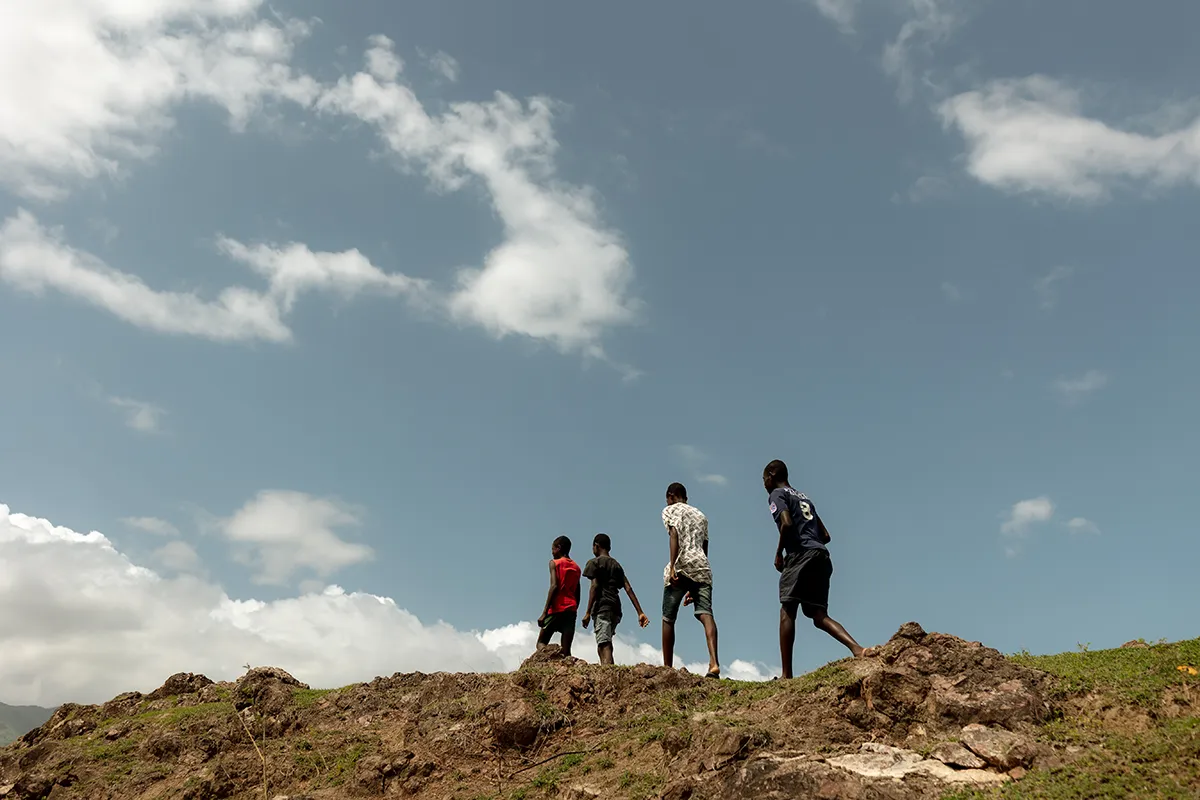
These host families, who also live in impoverished conditions, face steep challenges of their own, including a lack of employment opportunities, scarce resources to provide for their own children, and limited access to things like electricity and running water. These burdens are then forced upon the child in restavek. Due to the lack of legal protections and social services, children in restavek often end up becoming domestic slaves, where they are not only deprived of their childhood, but also stripped of their dignity and of future opportunities.
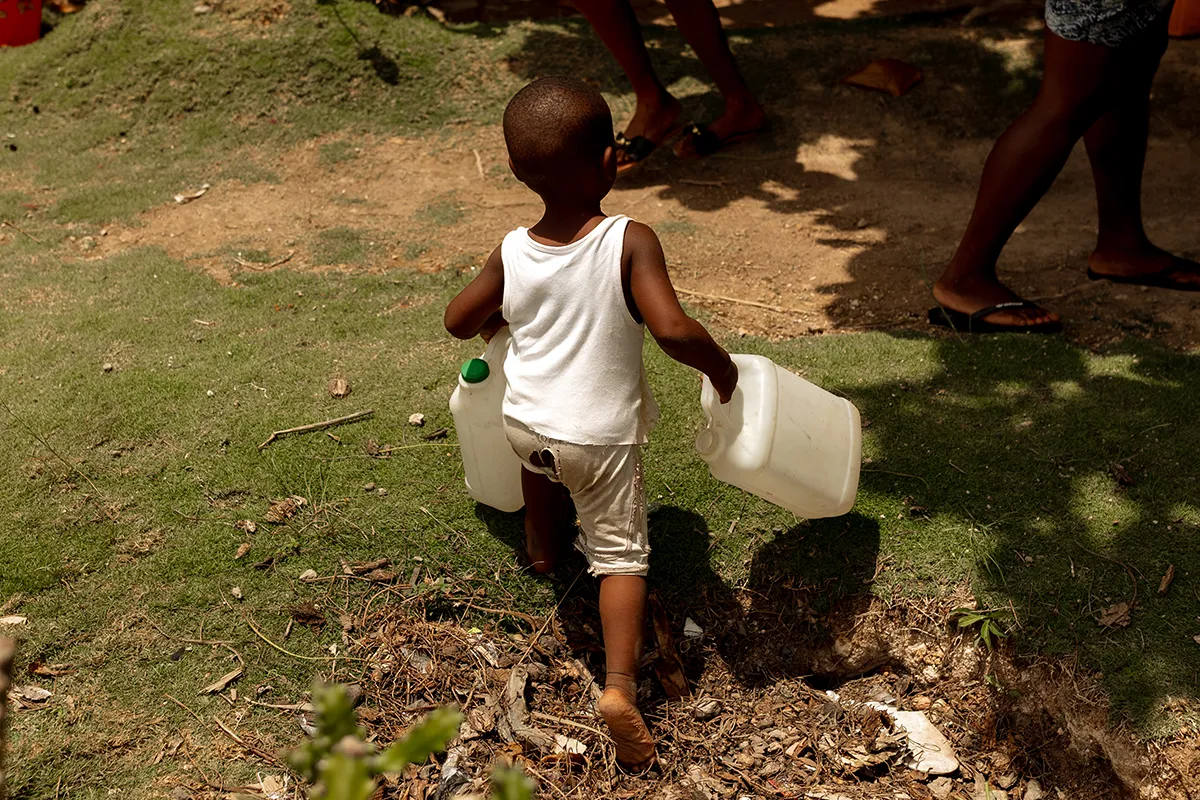
The persistence of the restavek practice in Haiti is not just rooted in socio-economic consequences of poverty, but also in a deep-seated cultural acceptance that has evolved over generations as a result of slavery. Haiti’s painful history with slavery, where inhumane treatment and corporal punishment were commonplace, has left a lasting impact on societal and cultural practices. In short, physical abuse has become normalized, and in many cases, widely accepted as a form of discipline.
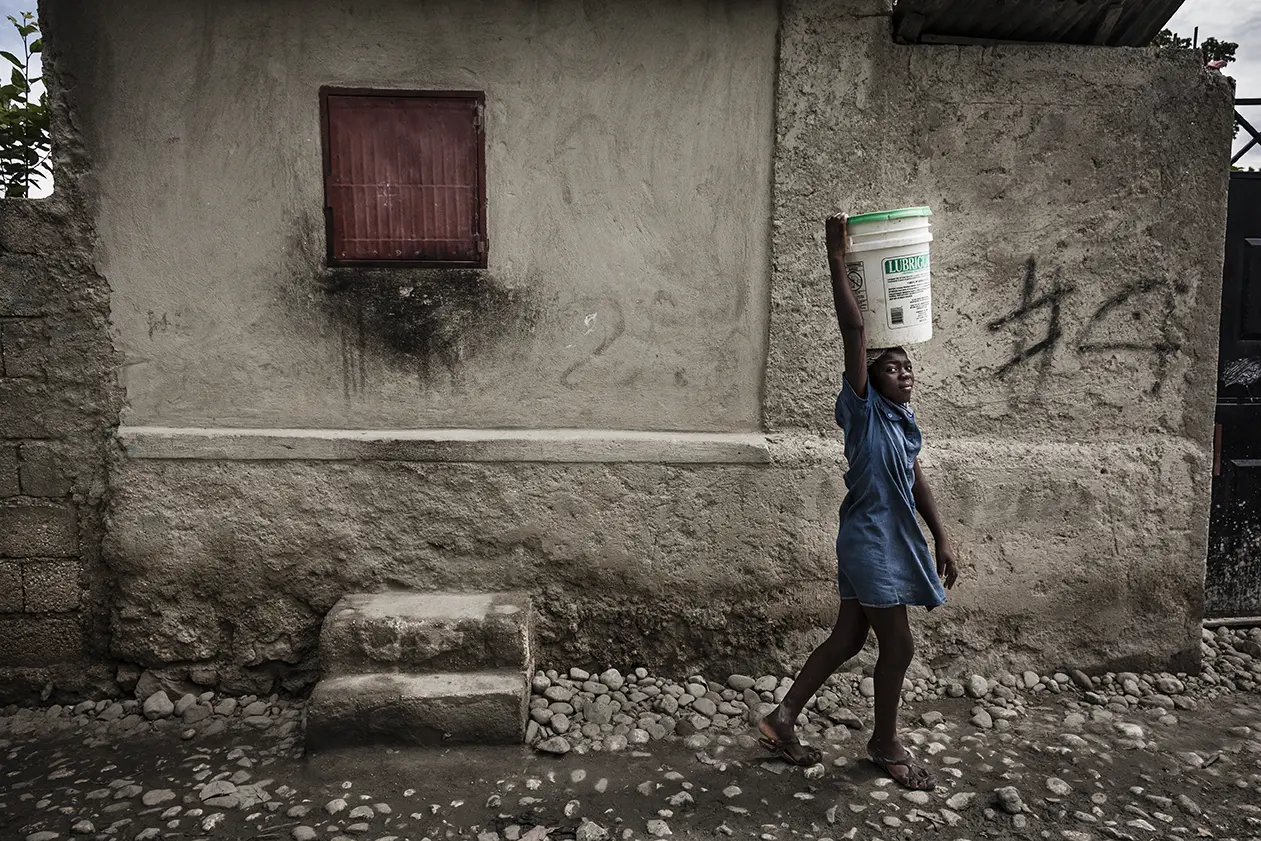
In many Haitian households, children grow up in small, crowded spaces, often in one to two rooms. Here, they are frequently exposed to violence and abuse, witnessing behaviors that shape their understanding of the world and what is normal. When these children grow up, they may unknowingly continue these harmful practices, reinforcing the cycle of abuse that drives the restavek system.
To break this cycle, these harmful beliefs must be confronted and countered with a new perspective on the fair and ethical treatment of children. Understanding and addressing this cultural acceptance is crucial in the fight to end the exploitation of children in restavek.
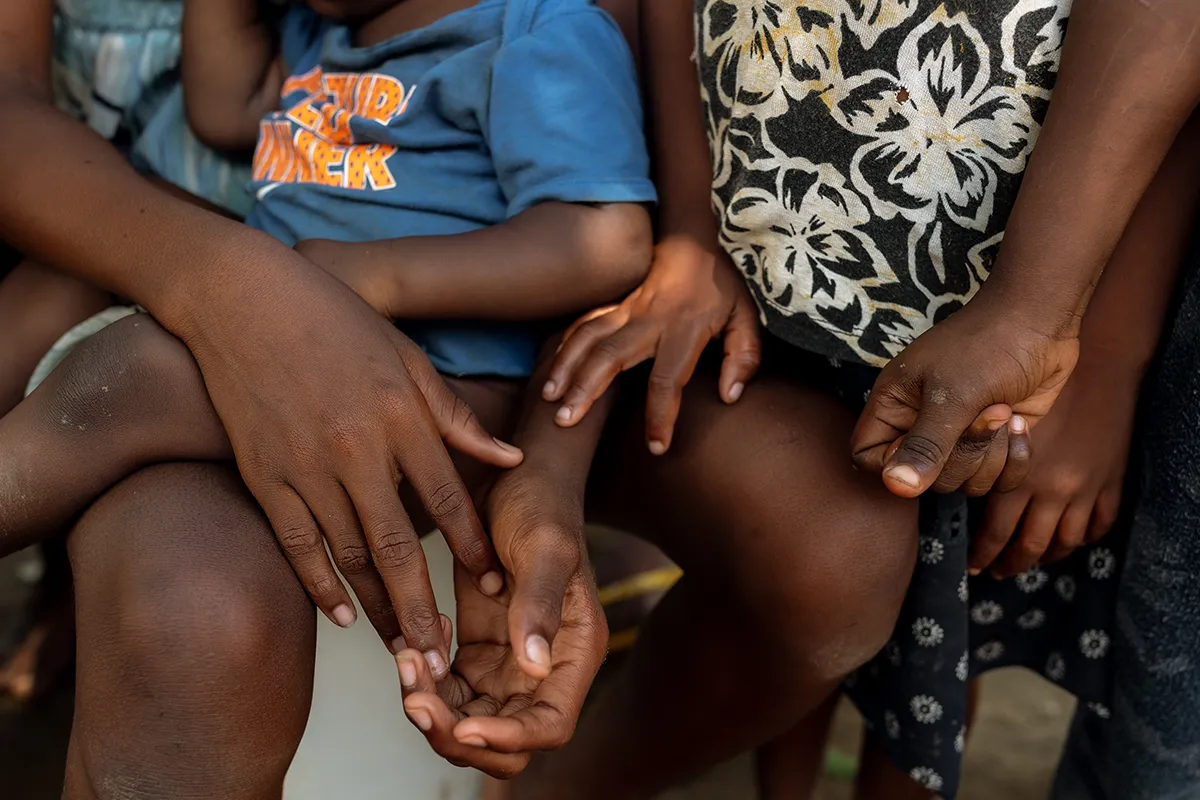
Ending child slavery in Haiti requires a multifaceted approach because it’s a multifaceted issue. It’s essential to build trusted relationships with children and their host families, address the root causes of poverty through community education and economic development, improve access to education, and advocate for children’s rights. Since its inception, Restavek Freedom has fought to end child slavery in Haiti by supporting vulnerable families, advocating for policy changes, and providing education and resources to break the cycle of exploitation.
By working together, we can put an end to the restavek system and ensure that every child in Haiti has the opportunity to live freely.
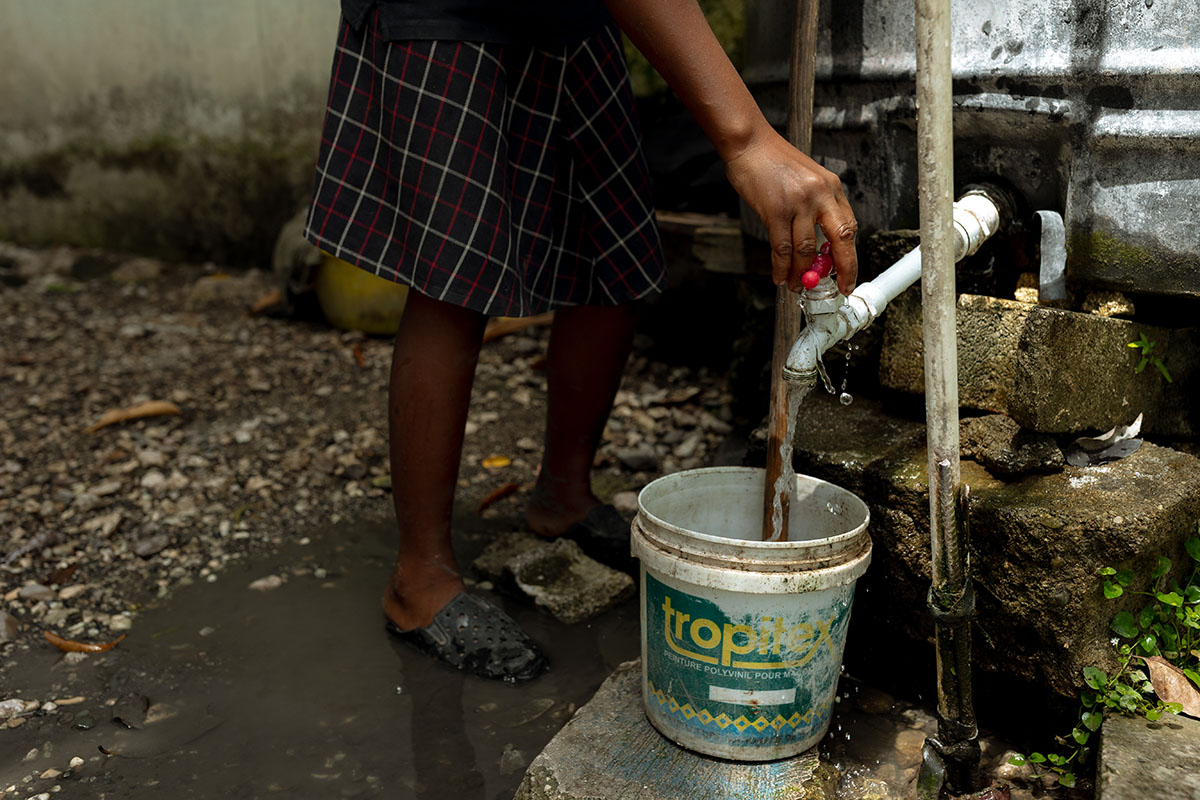
Haiti, a nation rich in culture and history, has a deeply complex and painful relationship with slavery, which continues to affect the lives of many Haitian children today through the restavek system. In order to understand the restavek system, one must first understand Haiti’s history of slavery and its enduring impact on society.